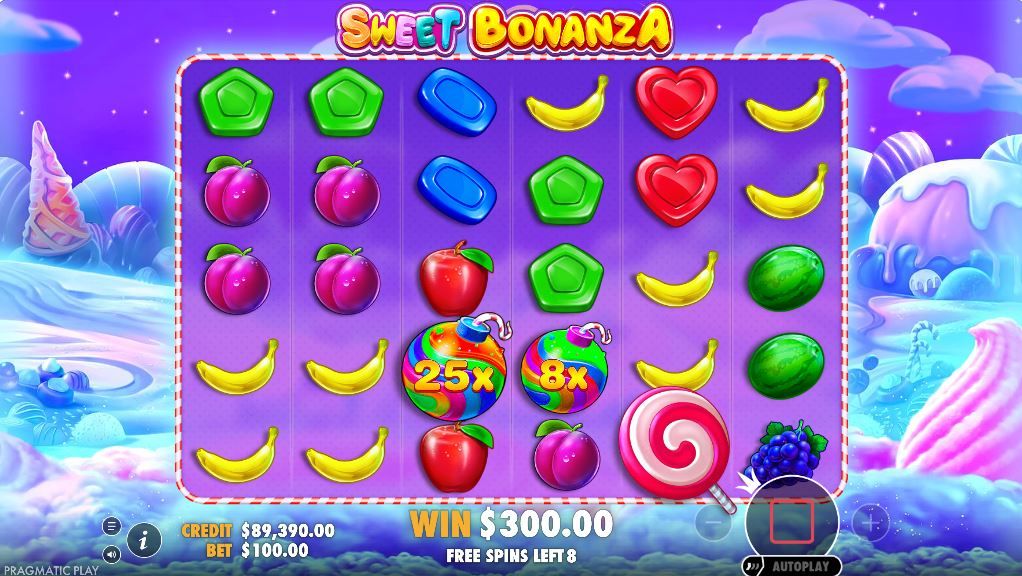
Slot Strategy: What Actually Works vs Common Myths
- SaferCase Team
- Slots
- 01 Apr, 2026
- Updated: 02 Apr, 2026
Why Slot Strategy Matters
Slots are often seen as pure luck, but the math behind every spin is predictable. The house edge on slot machines ranges from 2 % to 10 %, meaning that for every dollar you wager, the casino keeps that percentage on average over time. When players chase “hot machines” or believe that a streak of wins guarantees a payout, they ignore this built-in advantage and risk draining their bankroll.
Understanding the real mechanics—Return to Player (RTP), volatility, bonus structures, and bet sizing—lets you choose games that give you the best long‑term odds. It also helps you avoid common pitfalls such as betting too high on a high‑volatility title or chasing free spins that still carry the same house edge. By separating myth from fact, you can play smarter, keep more of your bankroll, and enjoy the excitement of slots without falling prey to the illusion of control.
Key Takeaways
- Choose slots with RTP ≥96% to maximize returns; top titles hit 98%+ RTP verified by eCOGRA.
- Apply 1–2% bankroll rule: for $200 bankroll, bet $2–$4 per spin to manage volatility.
- Free spins cost $0.10–$0.20 EV; keep bonus bets ≤$5 to avoid voiding the bonus.
RTP and House Edge: The Real Numbers
When comparing slots, the RTP is the most straightforward indicator of value. A slot with 96 %+ RTP returns $96 for every $100 wagered over the long run, while a 92 % RTP slot returns only $92. The difference may seem small, but over thousands of spins it translates into thousands of dollars.
Top titles can reach 98 %+ RTP, offering the most player‑friendly experience. These figures are not arbitrary; they are verified by independent auditors such as eCOGRA, which tests each game’s RNG and published RTP to ensure fairness.
Myth: all slots are the same.
Reality: a 96 % RTP slot is statistically better than a 92 % one, regardless of the symbols or theme.
Volatility and Bankroll Management
Volatility (or variance) tells you how often you’ll win and how large those wins will be. Low‑volatility slots are ideal for a $50–$100 bankroll because they deliver frequent, modest payouts that keep you in the game longer. High‑volatility titles, on the other hand, can wipe out a $500+ bankroll in a short stretch, so they’re best suited for players who can absorb larger swings.
The 1–2 % bankroll rule is a simple guideline: with a $200 session bankroll, limit each spin to $2–$4. This keeps your risk in check regardless of the game’s volatility.
Myth: high volatility pays more.
Reality: the house edge stays the same; only the variance changes.
Explore slot volatility in detail
Bonus Features and Free Spins: What They Really Mean
Free spins are a popular bonus, but they’re not a guaranteed win. Each spin during a free‑spin round typically costs $0.10–$0.20 in terms of expected value, and the house edge still applies.
When you’re clearing a slot bonus, the maximum bet you can place is $3–$5. Exceeding this limit voids the bonus, so keep your stake within the threshold.
Welcome bonuses usually come with wagering requirements. Aim for 35× or lower; anything 40×+ is a red flag that could make it hard to cash out.
Myth: free spins guarantee a win.
Reality: they’re still subject to the RNG and the same house edge as regular spins.
Betting Size vs. Probability: The Myth of Bigger Wins
The 1–2 % bankroll rule applies to bet sizing as well. A larger bet increases variance—meaning you’ll experience bigger swings—but it does not change the house edge. Whether you bet $1 or $100, the casino still keeps the same 2–10 % of every dollar wagered over time.
Myth: larger bets give higher win chances.
Reality: the odds per spin remain unchanged regardless of stake.
Because the edge is independent of bet size, the safest approach is to keep stakes within the 1–2 % range, especially when playing high‑volatility slots where a single loss can wipe out a large portion of your bankroll.
Putting It All Together
To play slots responsibly and effectively, follow these practical steps:
- Choose high‑RTP titles (96 %+), and aim for the top 98 %+ games when possible.
- Match volatility to bankroll: low volatility for smaller funds, high volatility only if you can tolerate larger swings.
- Apply the 1–2 % bankroll rule for every spin, and never exceed the $3–$5 limit when clearing a bonus.
- Watch wagering requirements; stay below 35× to keep bonuses cash‑able.
- Play on licensed operators and use e‑wallets for quick, hassle‑free withdrawals.
By grounding your play in these proven facts, you’ll keep more of your money, avoid common misconceptions, and enjoy the thrill of slots with confidence.
FAQ
- What is the typical house edge on slot machines?
- The house edge on slot machines ranges from 2 % to 10 %, meaning that for every dollar you wager, the casino keeps that percentage on average over time. This built‑in advantage is why chasing hot machines can drain your bankroll.
- How does RTP influence my chances of winning, and what RTP values should I look for?
- RTP is the most straightforward indicator of value; a slot with 96 %+ RTP returns $96 for every $100 wagered over the long run, while a 92 % RTP slot returns only $92. Top titles can reach 98 %+ RTP, offering the most player‑friendly experience.
- What bet size should I use if I have a $200 session bankroll?
- The 1–2 % bankroll rule suggests limiting each spin to $2–$4 with a $200 session bankroll. This keeps your risk in check regardless of the game’s volatility.
Share :
Comments
No comments yet. Be the first to start the discussion.